
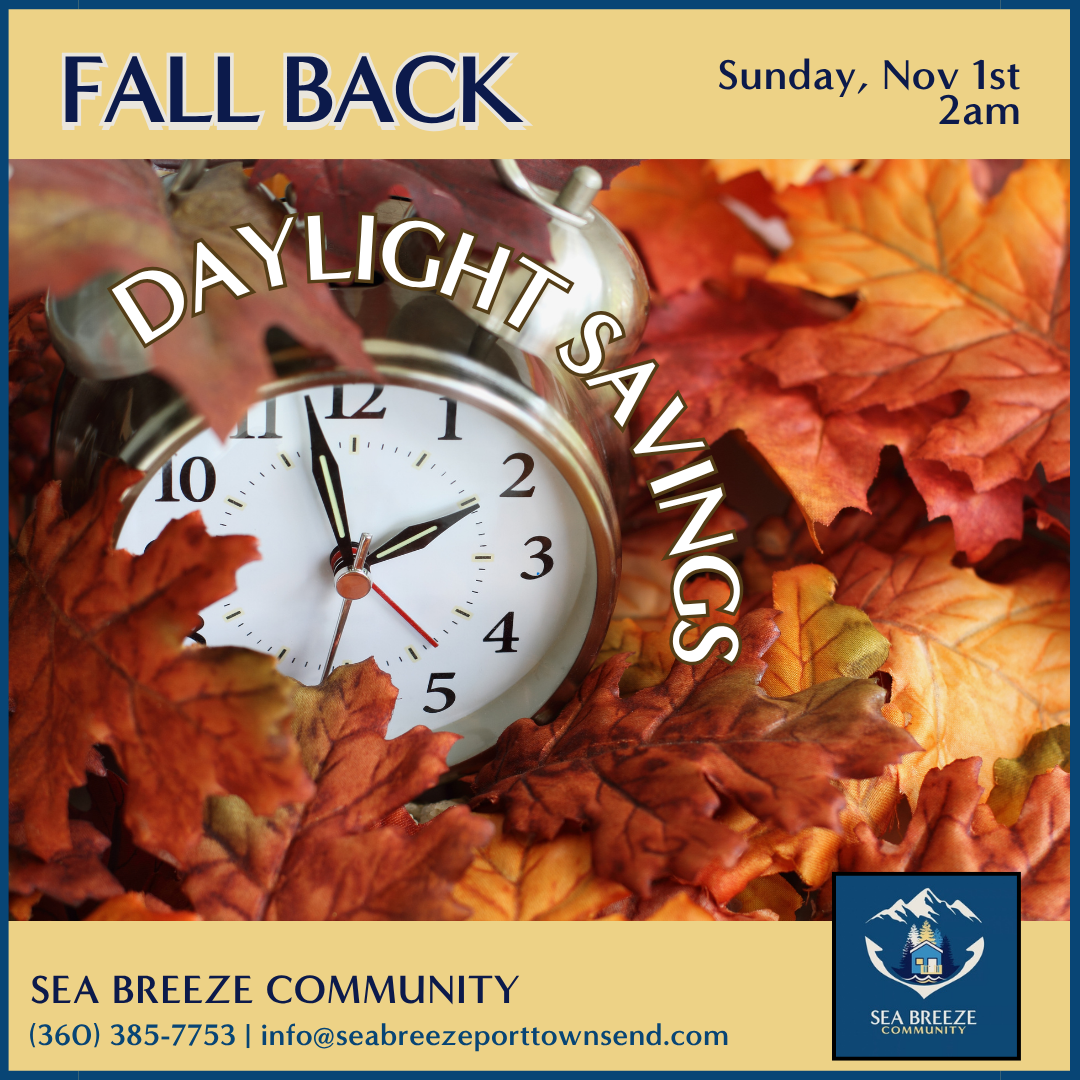
Sunday, November 1 at 2 a.m., clocks across most of the country roll back one hour. Sunrise comes earlier, sunset arrives sooner, and evenings get darker faster than most of us expect (or want).
Here's a two-part checklist for all of us: one part for your body, one part for your home.
Part 1: Easing Your Body Clock
The fall change is typically gentler than the spring one — you are getting an extra hour instead of losing it. But, even so, the change isn’t nothing. Shifting clocks disrupt circadian rhythms (our internal body clock that helps us manage our sleep, mood, metabolism, and even cardiovascular function). Research from sleep medicine specialists has linked the transition to (thankfully temporary) increases in fatigue, daytime sleepiness, and lapses in focus.
A few small moves can make it smoother:
Shift your bedtime later, gradually if you can. In the two days before the change, nudge your bedtime and wake time 15–20 minutes later than usual. By Sunday morning, your body will have a jump-start towards feeling normal on the new time.
One caveat from the American Academy of Sleep Medicine: if you're already running short on sleep, don't push your bedtime later — protect the sleep you're getting instead.Get morning light, and keep your wake-up time steady. Light is the strongest signal your body uses to set and regulate its clock. Eat breakfast and get outside — or, if it is too chilly, sit near a bright window — first thing in the morning. Consistency helps the most with the adjustment.
Consider eating dinner a bit earlier for a few days while you adjust. Melatonin (the sleep hormone) starts rising earlier in the evening after the time change — sometimes right around dinnertime. Eating while melatonin is climbing can affect how your body handles blood sugar, so shifting dinner up by about an hour for a few days can help. Same idea with caffeine: it can linger for up to 12 hours, so an afternoon cup may impact you longer than you expect.
Give yourself grace if you're in a tougher spot. Older adults, those who work nights, teenagers, and anyone with young kids often feel the change more intensely.
Part 2: A Tiny Home Checklist for the Week
As you're resetting clocks, it’s a good time to do a home reset too. One benefit of being in a tiny home: these tasks take maybe an hour instead of ½ a day or more out of your weekend.
Test your smoke and carbon monoxide alarm — and swap the batteries. A traditional/classic time-change chore. It’s important, especially as we keep our homes buttoned up against the colder weather. Press the test button on each unit, replace the batteries if they're more than six months old, and check the manufacture date on the back — smoke alarms generally need replacing around the 10-year mark, and CO alarms sooner, depending on the manufacturer. If your home has a combination unit, check the manual for its specific lifespan.
Test your heat source before you need it. Turn it on and make sure it is running. (It usually smells a bit the first time you run it after a while. Give it a once-over: clear dust and debris, confirm any vents and intakes aren't blocked.
Clear gutters and check your downspouts. Fall leaves are relentless. Clogged gutters send water down your siding and pool it around your home. Make sure downspouts actually carry water away from your home and your neighbor's, not into a shared path or driveway.
Seal up gaps. Weatherstripping around doors and windows, caulk any gaps you find, and a door sweep that blocks winter chill from entering.
Think about pipes and condensation. If your plumbing runs through a skirted or exposed area, protect it before the first hard freeze. At the same time, watch for the flipside problem: tight, well-sealed homes may trap moisture. Run a vent fan when you cook and shower, and crack a window occasionally. Condensation on windows in the morning is your cue.
Light the paths, and clear them. Darker evenings have been creeping up on us and with losing an hour - it will be here in the late afternoon/early evening. Check any exterior lights and pathway fixtures, replace bulbs, and clear leaves or debris from walkways before they turn slick. If you have steps, make sure the handrail is solid.
*For an even more comprehensive and complete guide for preparing for winter — check out our Winterization Tips & Guide.
One Last Thing
Communities like ours work best when we look out for each other. If you're heading out to check your gutters or alarms this weekend, knock on a neighbor's door — especially anyone who's new, traveling, or might appreciate a hand on a ladder. An extra hour in the day is a nice excuse to spend some neighborly minutes on someone else's porch. 😄
Here’s to enjoying the season of cozy, longer evenings.